

Fantasy author John Gwynne is known for his Viking and Norse-mythology inspired fantasy series. He continues in this vein but also writes his most personal book with The Wolves of War, the first book in his new Wolfheart Chronicles. This new series is set in and around modern day Ukraine. The Vikings have set up in Kyiv and have restyled themselves as the Rus and so Gwynne also draws heavily on Slavic mythological traditions in the telling of this tale.
The Wolves of War has four main point of view characters. Ingvar is the former Viking ruler of Kyiv, trying to carve out a larger territory but also raising a young son. Dagmar is also a former Viking, sworn to protect two young adults but also sworn to a treasure hunter who takes the three of them on a dangerous quest. Then there is Ivan, who lives with the forest people, and his disabled but incredibly powerful daughter Halia. This is where it gets personal as Ivan’s family is based on Gwynne’s. While Ivan and his family are the heart of The Wolves of War although Gwynne manages to develop plenty of pathos for his other POV characters.
The plot of The Wolves of War follows three different strands which Gwynne eventually pulls together. Ingvar is trying to deal with another major power and is having some difficulty getting tribute from the lands that he has conquered. As part of the deal that keeps his borders safe Ingvar has taken in a Christian priest who is successfully spreading Christianity among his people. Dagmar, as already mentioned, is part of a mission to find a legendary mythological treasure, a plot strand with plenty of Indiana Jones vibes. And Ivan is dealing with his tribe’s prejudice against his daughter, they believe Halia is a striga, or witch. Through her point of view chapters readers will know from early on that she is a striga (but the good kind). Ivan’s tribe is also fending off attacks from another local tribe who, early on, steal their cattle and kidnap some of their children.
In amongst all of the swords and battles and blood and beheadings is a fair amount of Slavic mythology which some readers may be familiar with from properties like The Witcher which also draws from this folkloric well. Magic and magical creatures play a large role in the story and are very much part of the set up for the next book in the series.
In The Wolves of War Gwynne once again demonstrate his ability to write engaging and evocative medieval fantasy full of interesting (if sometimes a little too good/evil coded) characters and punctuated by bloody, well-written battle scenes. This is a strong first novel, setting up an intriguing and complex world in which the ultimate outcomes are not yet clear. Ending on a number of cliffhangers it will almost certainly draw readers back for the next instalment.
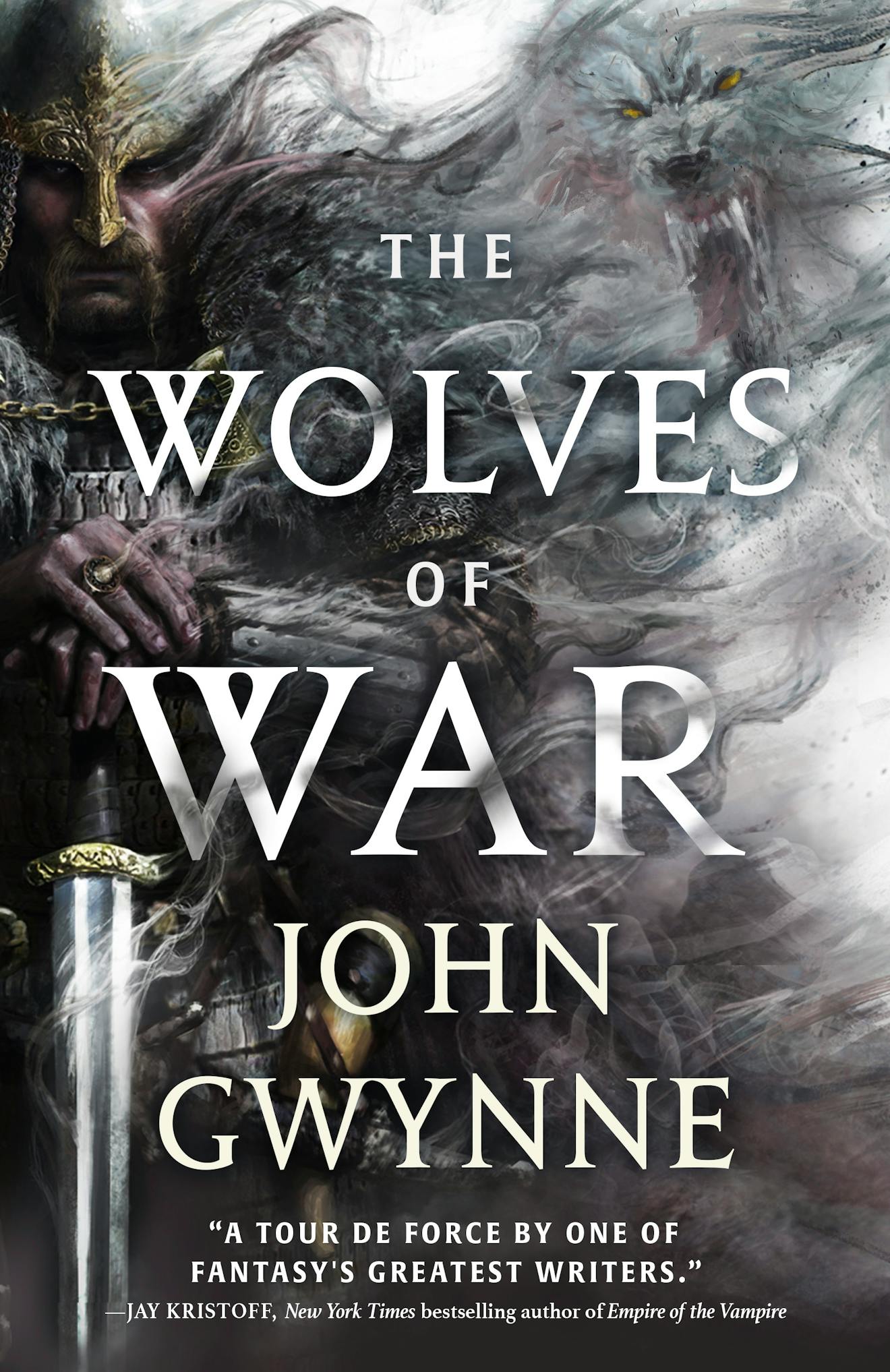
The Wolves of War by John Gwynne
No Comments